

Mountain View County Acreages: Your Guide to Buying Rural Alberta
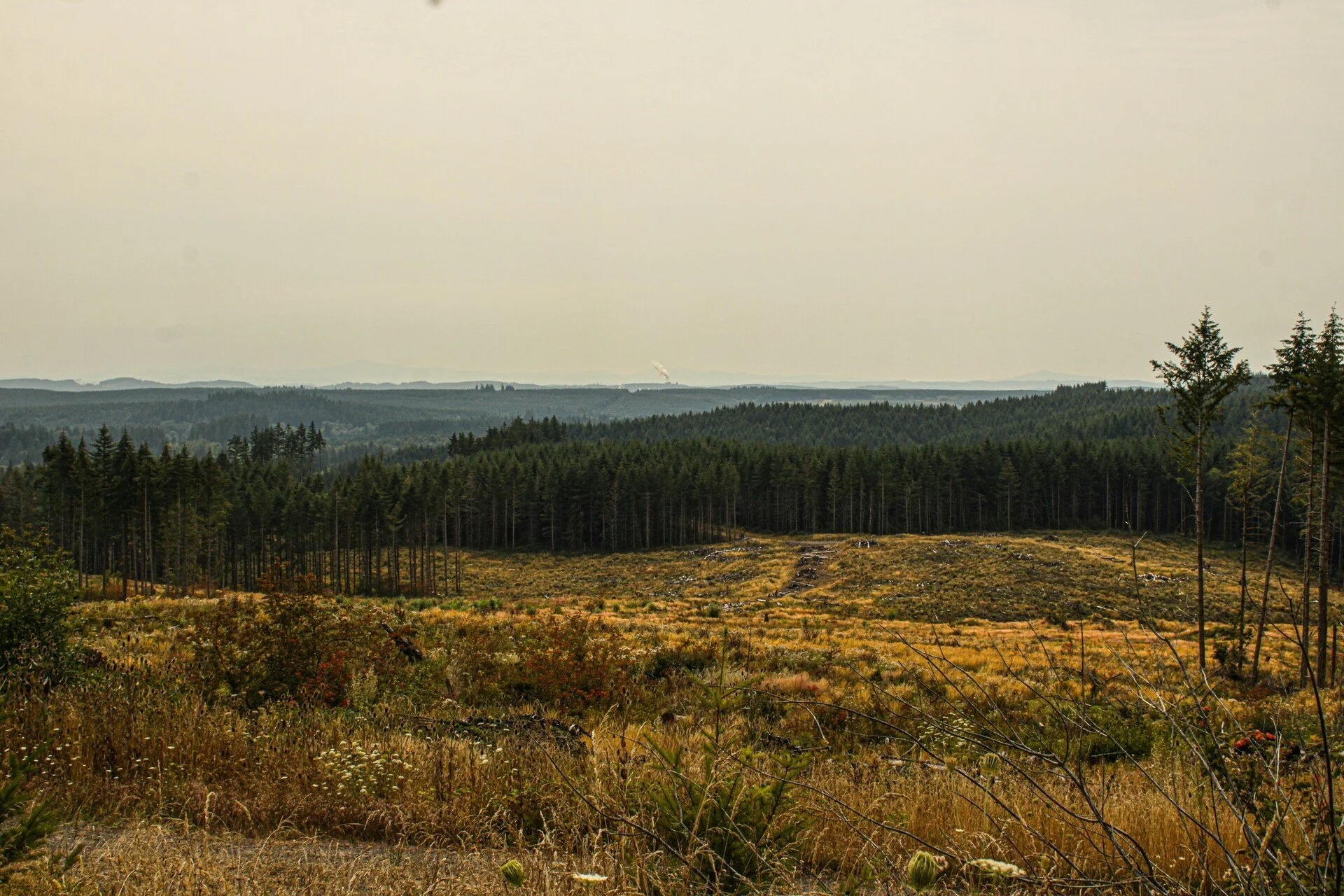
Buying an acreage in Mountain View County isn't the same as buying a house in town, and it shouldn't be sold to you that way either. This is working agricultural country with over 1,500 farms, half a million acres of cropland, real cattle ranching, and some of the best foothills views in Central Alberta. It's also where my own family chose to put down roots, so when I tell you what to look for in a rural property out here, it's coming from someone who lives it. This page is the guide I wish someone had handed me before we bought our first acreage.
What Counts as an Acreage in Mountain View County
When buyers tell me they're "looking for an acreage," they usually mean one of four very different things, and they often haven't sorted out which. The answer changes everything from the price, the financing, the zoning, the inspections, and even where in the County we should be looking.
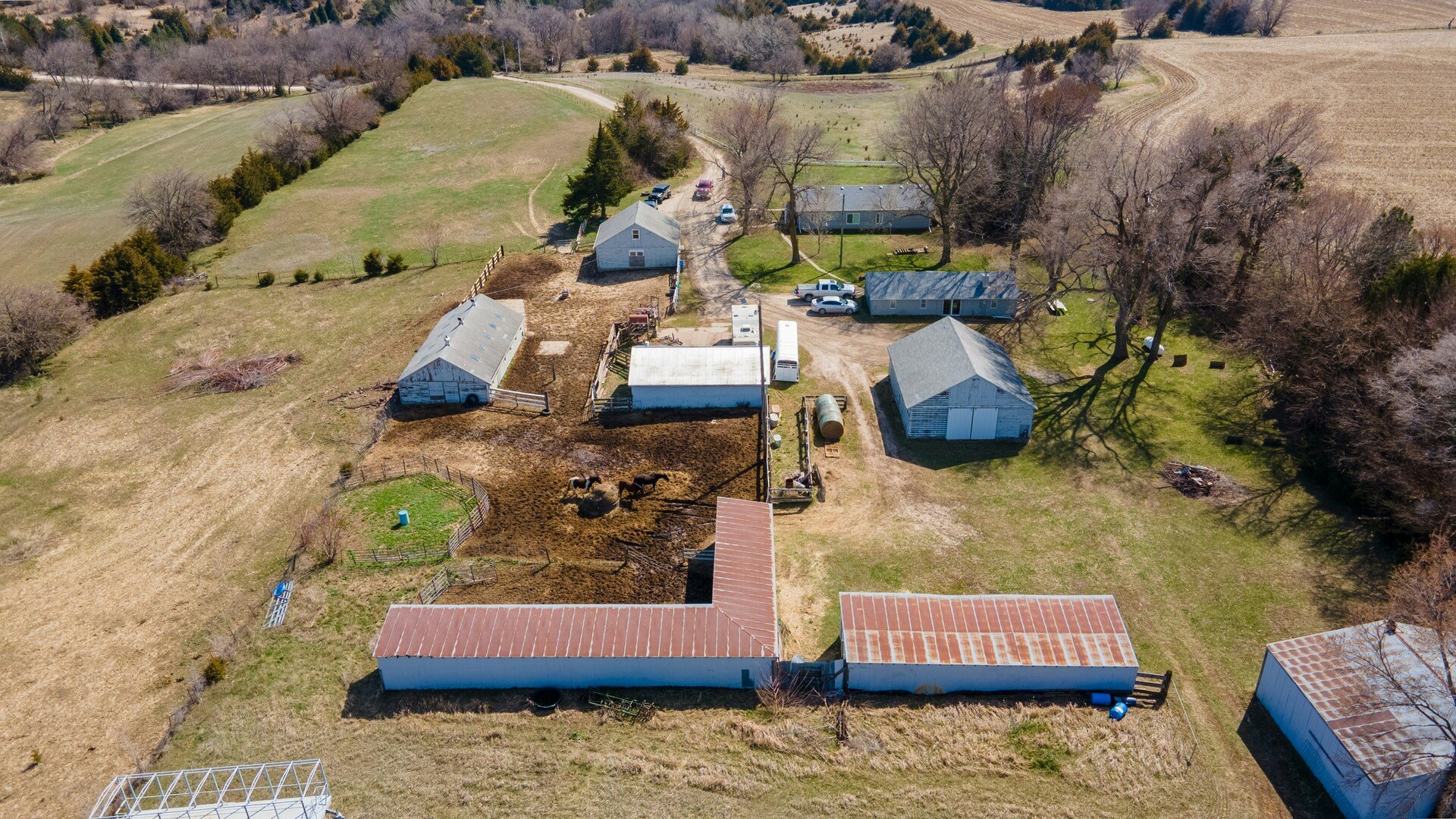
Country residential parcels (2 to 10 acres). Subdivided lots in established country residential developments - think a comfortable home, a double or triple garage, room for a shop and a few horses, but not a working farm. Most of the demand from Calgary and Airdrie buyers lands here.
Larger residential acreages (10 to 80 acres). Room to actually do something - a hobby farm, a serious shop, a guest cabin, more privacy from neighbours. These are often the sweet spot for buyers who want their kids to grow up rural without committing to a full agricultural operation.
Agricultural quarter sections (160 acres). Working land - cropland, pasture, or mixed. These trade differently from residential acreages: financing, taxation, and what the Land Use Bylaw will let you build on them all change.
Bare land. Ready to build on, or hold and sell later. It may be cheaper up front, but you're carrying the cost and risk of bringing in services (well, septic, power, gas, road) before there's a home on it
If you're not sure which of these you actually want, that's a conversation worth having before we start showing properties. Touring an 8-acre country residential lot when what you really need is a 40-acre hobby farm is a fast way to waste a Saturday.
Why Buyers Choose Mountain View County
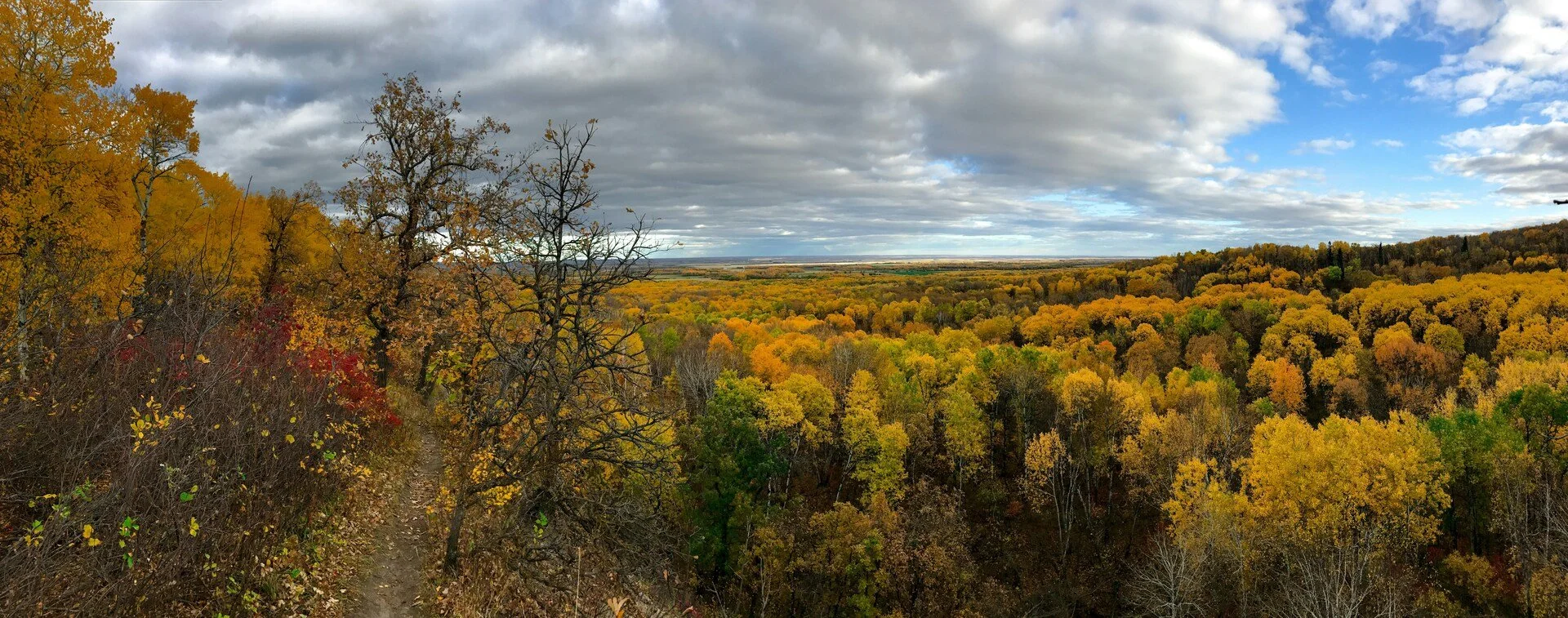
Mountain View County sits between Calgary and Red Deer along the QEII and Highway 2A corridor, with the foothills rising on the west side around Cremona, Water Valley, and Sundre. The eastern half is open prairie and cropland; the western half is rolling hills, evergreen, and views of the Rockies on a clear day. Depending on where in the County you buy, you're 30 to 90 minutes from Calgary — which is exactly the range most acreage buyers are willing to commute.
What makes the County a different conversation from buying acreage further out:
Established towns inside the County for groceries, schools, medical, and trades such as: Carstairs, Didsbury, Olds, Cremona, and Crossfield. You're never more than 15 or 20 minutes from a real grocery store and a hospital.
Real ag economy. This isn't a faux-rural subdivision built to look country. The County has 1,500+ working farms and a long ranching history, and that means the people you're buying near are committed to keeping the land working.
Mix of property types. Almost every price point and parcel size is represented somewhere in the County, which isn't true of most rural areas in Alberta.
Lower property taxes than comparable urban land, particularly on parcels that qualify for agricultural assessment.
What to Look For When You're Buying: The Stuff Nobody Tells You
This is the section I wish I'd had before we bought ours. Acreages have a longer due-diligence checklist than town homes, and skipping any of these is how people end up unhappy six months in.
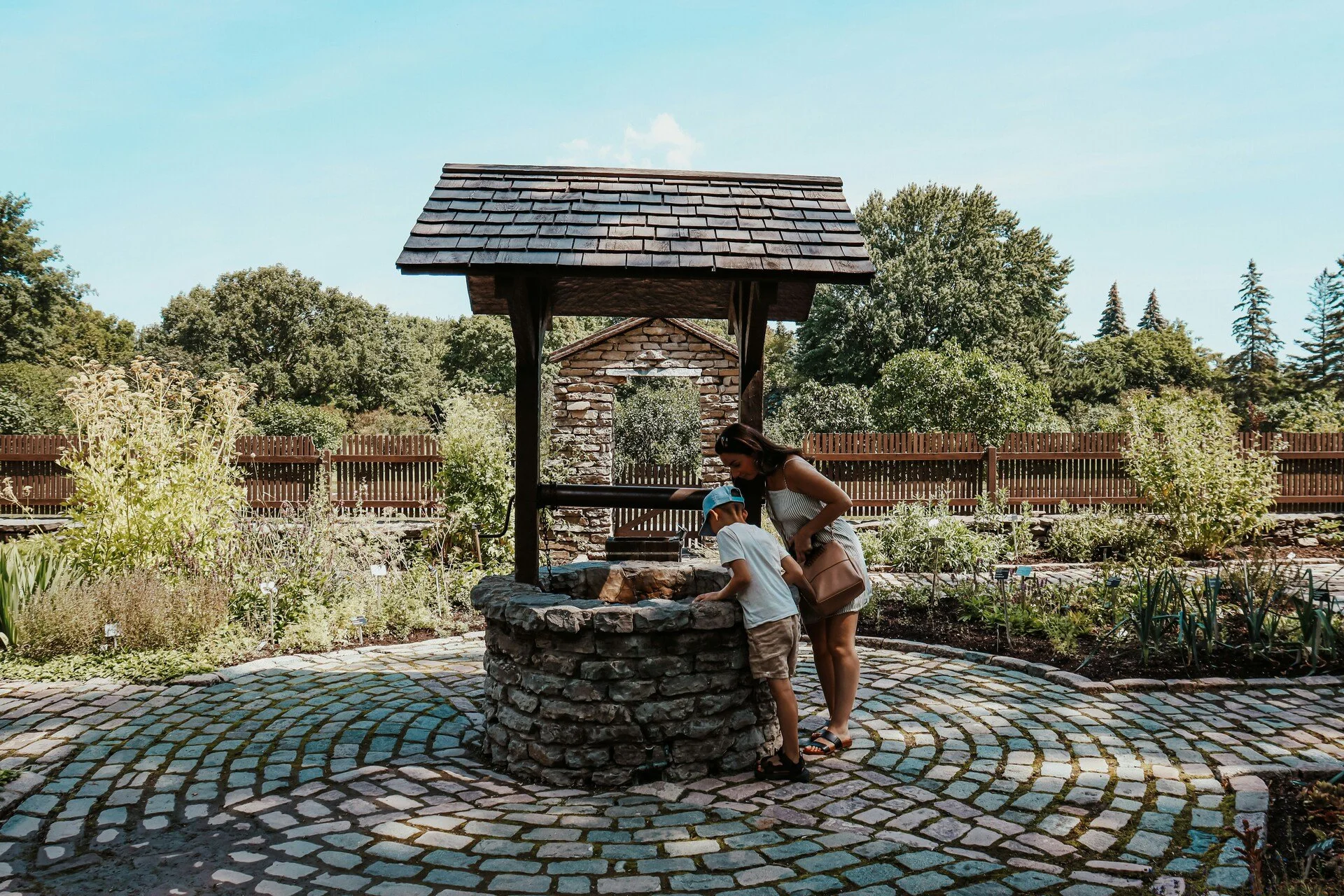
Water. Most rural properties out here are on a drilled well or a cistern. For a well: ask for the well log (depth, flow rate in GPM, when it was drilled), and as part of your offer, condition on a current water potability test and a flow test. Coliform, nitrates, and hardness are the big three to check. For a cistern: confirm the volume, who's delivering water, and what it's costing per fill — it's an ongoing operating cost most buyers don't think about until the first invoice.
Septic. Almost every rural property is on its own septic system — a field, a mound, or a holding tank. Each has very different running costs and lifespans. Holding tanks need to be pumped out frequently and that adds up. As of 2017 Alberta requires a private sewage system declaration on transfer, but I always recommend a full septic inspection on top of that. A failing field can cost tens of thousands to replace.
Road access. Look at how you actually get to the property in February. Is it paved highway right to the driveway, paved municipal road, gravel municipal road that's graded and plowed by the County, or an unmaintained private access? This affects winter driving, whether the school bus picks up, what your insurance company will charge, and in some cases whether a lender will even mortgage the property.
Heating and fuel. Natural gas service is available in some parts of the County and not others. If there's no gas line, you're on propane (tank delivery), wood, electric, or some combination. Each has different operating costs — and propane especially is worth running the numbers on before you commit.
Internet. Rural broadband is better than it used to be but it's still not Calgary. Most acreages out here run on Starlink, fixed wireless, or line-of-sight providers. Confirm what's actually available at the address before you sign — not what's advertised at the postal code level.
Zoning and Land Use Bylaw. The County's Land Use Bylaw decides what you can actually do with the land — run a business from home, build a shop, subdivide, keep livestock, put in a guest house. Country residential parcels and agricultural parcels have very different rules. Check the parcel's land use district before you fall in love with a plan that isn't permitted.
Restrictive covenants. Many country residential subdivisions have private covenants registered on title — things like minimum home size, building materials, livestock restrictions, or "no shipping containers." These are separate from County zoning and they're enforceable. We always read them before writing an offer.
Acreage size and taxation. Larger parcels with active agricultural use can qualify for ag assessment, which is meaningfully lower than residential. If you're buying a parcel that's currently leased to a neighbour for hay or grazing, ask how that affects your taxes — and whether you want to keep the lease in place.
Buying an Acreage Isn't Like Buying a House in Town
The transaction itself runs differently, and the differences matter:
Financing. Most residential lenders will only mortgage the home plus the immediately surrounding land - usually 5 to 10 acres maximum. On larger parcels, the rest of the land is excluded from the appraised value or requires a separate ag-lending product. Going in pre-approved with the right lender saves a lot of pain. I work with mortgage brokers who actually do acreage deals.
Extra inspections you didn't expect. Water potability, water flow, septic, sometimes well integrity. None of these are in a normal home inspection - they're separate, they take longer, and they need to be conditions in the offer.
Real Property Report vs. survey. On larger rural parcels, lenders often want a current SPIN survey rather than the standard RPR. This affects timeline and cost.
Insurance. Wood stoves, oil tanks, distance to the nearest fire hall, water source for firefighting - they all factor into the premium and sometimes into whether you can get coverage at all. Quote insurance before unconditional, not after.
Possession logistics. Arranging your first propane fill, shocking and testing the well, lining up fuel and water delivery, getting the septic pumped - there's a real to-do list before you can actually move in. We build that timeline together as part of closing.
Selling an Acreage in Mountain View County
If you already own out here and you're thinking about selling, the marketing for an acreage looks different than it does for a town home. Drone footage of the land, full-property walk-throughs, accurate parcel maps, and pricing the land and improvements separately all matter. Acreages also typically sit on the market longer than in-town homes — the buyer pool is smaller, more discerning, and frequently coming from out of area. Pricing it right the first time matters more than it does in town. I price acreages using current MVC sales, comparable parcel sizes, and the actual condition of well/septic/improvements, not just dollars per acre.
If you're considering selling, I do free home evaluations on acreages just like I do on town homes. No commitment, no pressure.
My Approach to Acreages
I live in this County. I've bought property out here. I work with the well drillers, the septic inspectors, the water testing labs, the mortgage brokers who actually fund acreage deals, and the insurance companies who underwrite rural. When you're buying a property like this, having a REALTOR® who's done the due diligence themselves - not just for clients but for their own family - is the difference between an exciting move and an expensive lesson.
I work across all of Mountain View County, with active buyers and sellers in Carstairs, Didsbury, Olds, Cremona, and the rural land in between.
Let’s Find Yours
Tell me what you're picturing: five acres outside Carstairs, forty acres west of Cremona, a working quarter near Olds, and we'll talk through what it would actually take to make it happen.
Call or text: (403) 807-3108 Email: samantha@smalltownsold.ca